
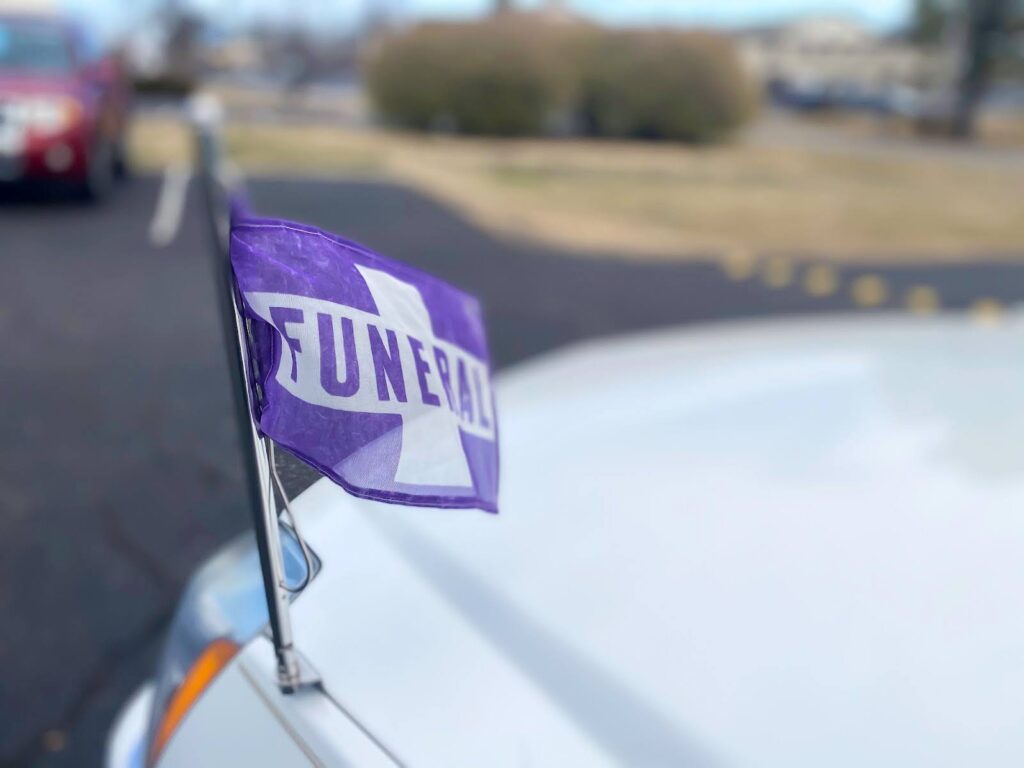
From the sands of ancient Egypt to the streets of today’s cities and towns, funeral processions have been an integral part of human cultures for thousands of years. The evolution of these cortèges reflects diverse cultural, religious, and social practices, each adding meaningful layers to this somber ritual.
As we delve into the history of funeral processions, one thing should become clear to you, as it did for me while researching this topic: the core essence of these ceremonial journeys remains unchanged. From their origin, they have always symbolized reverence for the deceased, providing a shared space for grieving and memorializing.
Let’s take a trip back in time and explore the age-old tradition of funeral processions to learn how they have transformed and been shaped by new ways of thinking.
First Known Processions

Hieroglyphic writing tells us that ancient Egyptians’ processions were deeply intertwined with their spirituality and belief that they needed to be prepared for eternal life.
Both grand and meticulously orchestrated, the processions took place exactly 70 days following an individual’s passing. Oxen would pull a wagon-like sledge, bearing the mummified deceased to the edge of the Nile.
Those who made the journey then boarded boats and crossed the river to the burial ground in the Valley of the Kings. This voyage represented the transition from life to the afterworld, mirroring the sun god Ra’s trip across the sky.
Wailing mourners, musicians, and masked priests were all part of the procession. Along the way, they performed choreographed dances, sang special hymns, and cast spells. These acts were thought to revive the deceased’s senses, enabling the spirit to re-enter the body so that their loved one could eat, drink, and speak in the next life.
The Greeks and the Romans
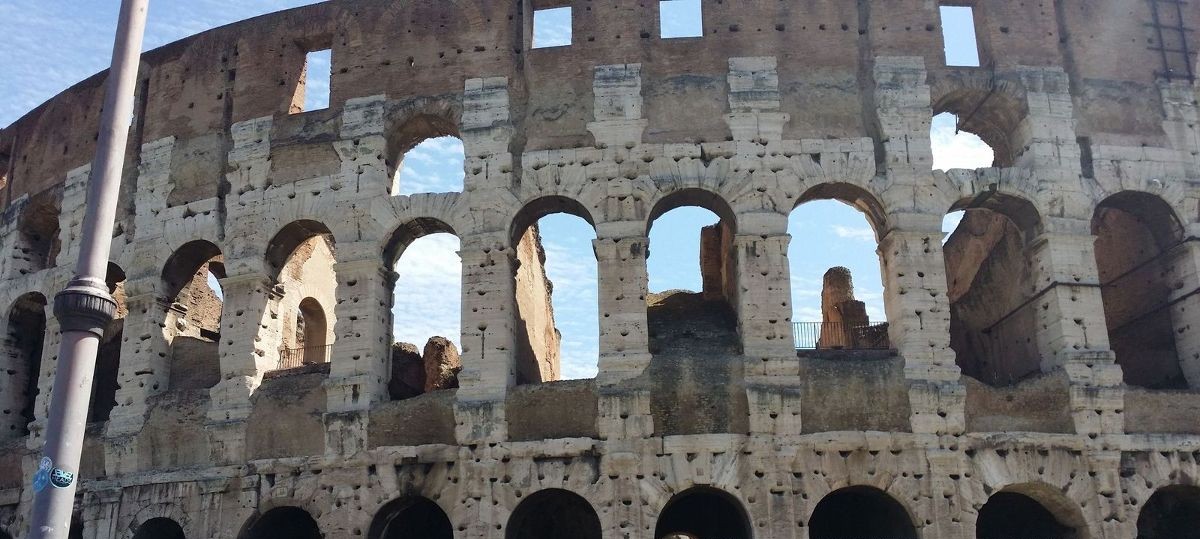
In ancient Roman and Greek cultures, funeral processions were rooted in paying tribute to one’s family lineage and societal contributions.
The scale of the events were indicative of the deceased’s wealth and social standing. Pallbearers were responsible for carrying the body, which rested on a decorated bier or in a coffin, adorned with symbols and scenes that told the story of the deceased’s life.
What was unique about the Romans was that they held onto portraits of their deceased relatives as they walked. They also hired professional mourners, known as praeficae, to enhance the emotional atmosphere by weeping and singing.
The ancient Greeks had their own distinctive methods of preparing for burial rites. Processions were led by female relatives, who were also responsible for washing, anointing, and dressing of the body. Their journey began before the first light of dawn, representing the soul’s passage from darkness to light.
The Medieval Period
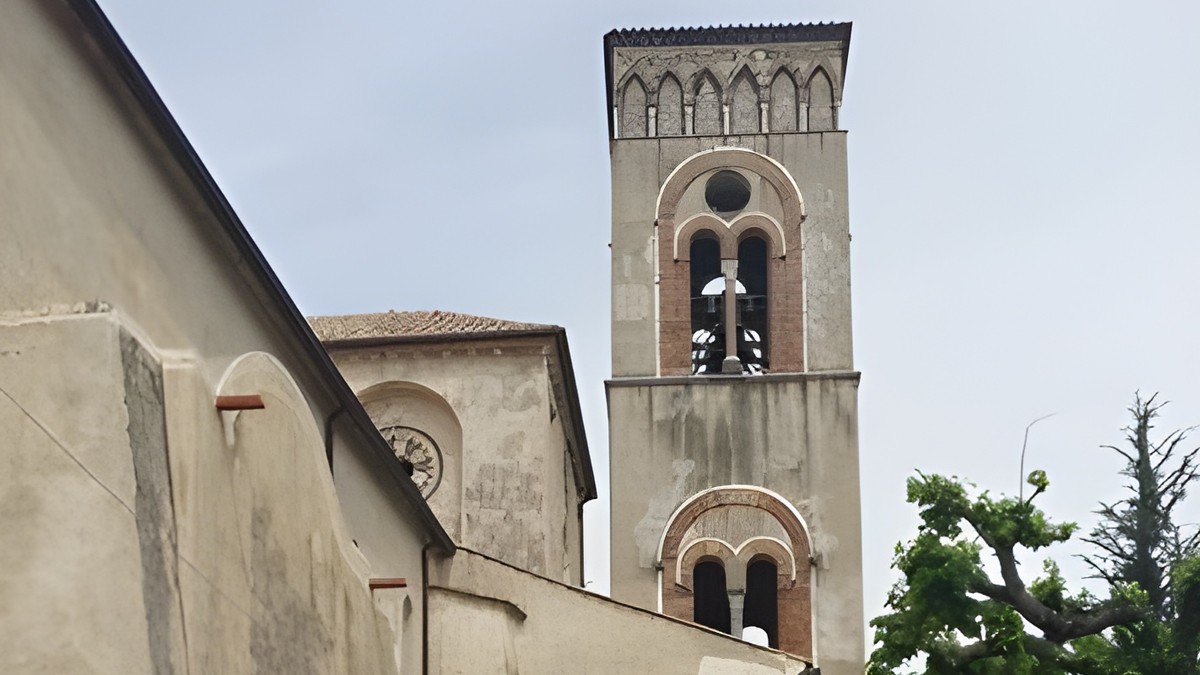
The medieval period introduced new religious dimensions to funeral processions, especially within Christianity. They became more subdued, reflecting the belief in a heavenly afterlife.
Preparations began in the home where the body was cleansed, draped in jewels, and dressed in fine clothes. Priests and clergy led the procession, reciting prayers and psalms, with the cross borne ahead as a symbol of hope and resurrection. They were followed by family and close friends who wore specific attire that denoted their relationship to the departed.
The route to the burial site was carefully planned to include important landmarks and to pass through crowded public areas. Neighbors and townsfolk would join in as expressions of faith and support for the bereaved. Devout chants could be heard echoing through the streets, uniting the community in a shared experience of loss and reverence.
The Renaissance

The Renaissance, spanning from the 14th to the 17th centuries, was a time of cultural awakening and enlightenment that brought dramatic changes in art, literature, and government structures. This era also saw a shift in attitudes towards death.
One particularly interesting custom was the use of effigies, or lifelike wax figures, which replaced the actual body to ensure a more dignified presentation. For those of greater prominence, these effigies could even be displayed in churches after the service.
Family members, clergy, and friends would carry items that depicted the deceased’s professional achievements. For example, a well-regarded artist might be honored with a procession that featured their paintings, while a noted scholar could be commemorated with a cortege that included books being hoisted overhead.
The Renaissance also introduced the practice of composing lengthy speeches and biographies, which were read aloud during the processions as public acknowledgments of the individual’s earthly life. Participants would bring food, personal items, and other goods, intended to aid the deceased’s peaceful transition into the afterlife.
The Long 19th Century
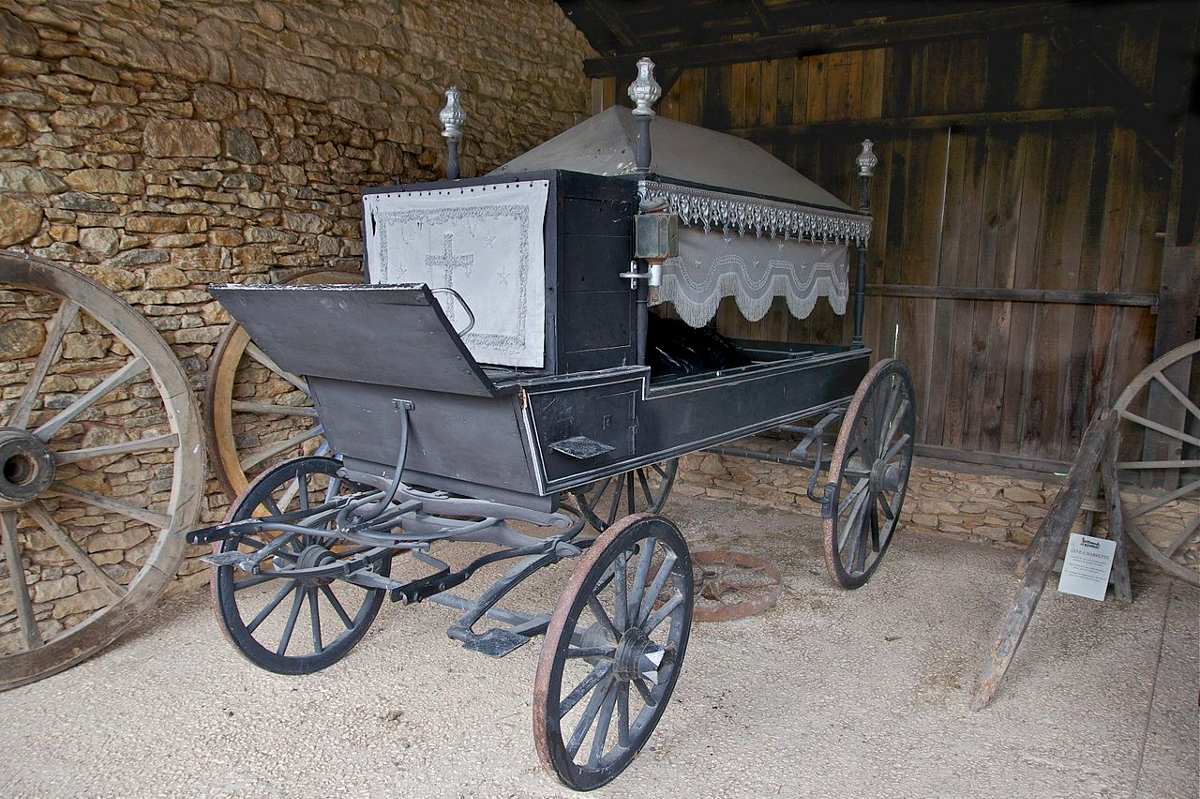
The period between the French Revolution and the outbreak of World War I witnessed profound changes in many facets of daily life, including how people dealt with death and dying. During this time, processions were private and intimate, a stark contrast to the previously grandiose and public events.
As the 19th century drew near, the Industrial Revolution began to reshape funerals once again. Urbanization meant that people were more likely to pass away from their birthplaces, leading to longer, more formal events that required transport by horse. This trend continued into the Victorian era, with the affluent being able to afford lavish ornate carriages to display their social status.
The 20th century saw the rise of professional funeral directors, who assumed the role of organizing processions from the family and clergy. This led to processions becoming more standardized and efficient, with regulations ensuring an honorable transfer of the body.
20th Century

As we moved into modern times, funeral processions have continued to progress, with certain somber aspects taking root and holding till present day.
Perhaps the most significant advancement has been the introduction of the gas-powered hearse in 1907. This innovation revolutionized the way the deceased were transported to cemeteries, providing a quicker, less strenuous, and far more efficient solution than horse-drawn carriages.
Over the years, the functionality of hearses improved to meet the changing needs and preferences of families. They’ve become more sophisticated and comfortable, designed not just for efficiency but aesthetics in mind. Today’s hearses come equipped with various specialized features that ensure the safe transportation of the deceased while also considering the sensitivities of the surviving family.
Embracing Change, Honoring the Past
In closing, I hope this blog has helped you understand how the history of funeral processions reflects humanity’s changing perspectives on death, mourning, and commemoration.
As our societies continue to evolve, these time-honored traditions are sure to adapt as well. However, their primary purpose — transporting a loved one to their final resting place — is bound to stay the same.
And while the practices may vary among different cultures and religions, I’m confident they will all continue to serve as a collective expression of grief and respect that comforts those left behind.

4 Responses
Enjoyed the read,thank you
Thank YOU for reading the blog! We love hearing from our readers and are glad you enjoyed it!
Very interesting and insightful! I sure enjoyed reading about the changes over the centuries.
Julianne, Thanks for reading the blog! I am glad you enjoyed it. -Jill