Cremation is a choice that can come with plenty of questions—and just as many misconceptions. Some of those ideas have been around for years, while others stem from uncertainty about what cremation actually involves.
Taking a closer look at the facts can reveal a very different picture. Families often have more flexibility, more options, and more ways to personalize the experience than they may initially realize.
At Sunset Funeral Home & Cremation Center, we believe families deserve clear, straightforward information when considering cremation. With that in mind, let’s take a closer look at eight cremation myths and the truth behind each one.
Myth 1: Cremation is a modern trend.
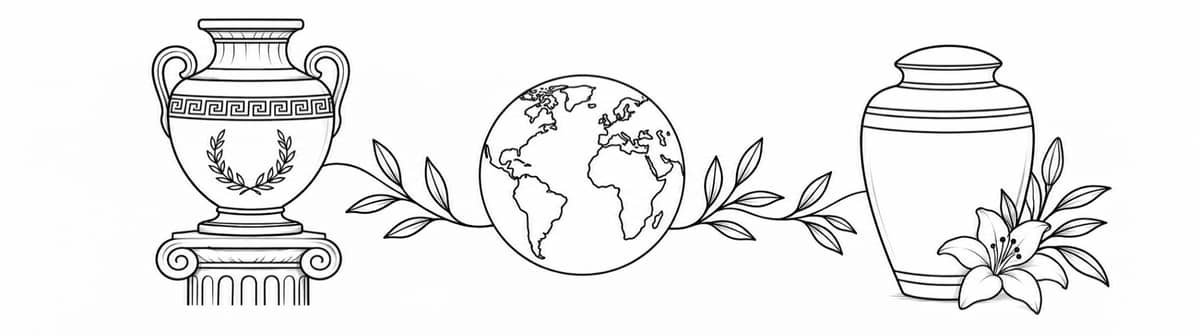
Truth: Cremation may seem like a more modern choice because it has become increasingly common in the United States in recent decades, but the practice itself reaches back thousands of years.
In ancient Greek and Roman societies, cremation was an important part of funeral rituals. Both civilizations embraced it as a sacred end-of-life rite that reflected their beliefs about the afterlife. Cremation has also held a place in a number of Eastern religious and cultural traditions for centuries.
While the reasons for cremation have varied greatly across time and place, it has long been viewed as a dignified way to mark the end of life.
Myth 2: Cremation limits personalization.
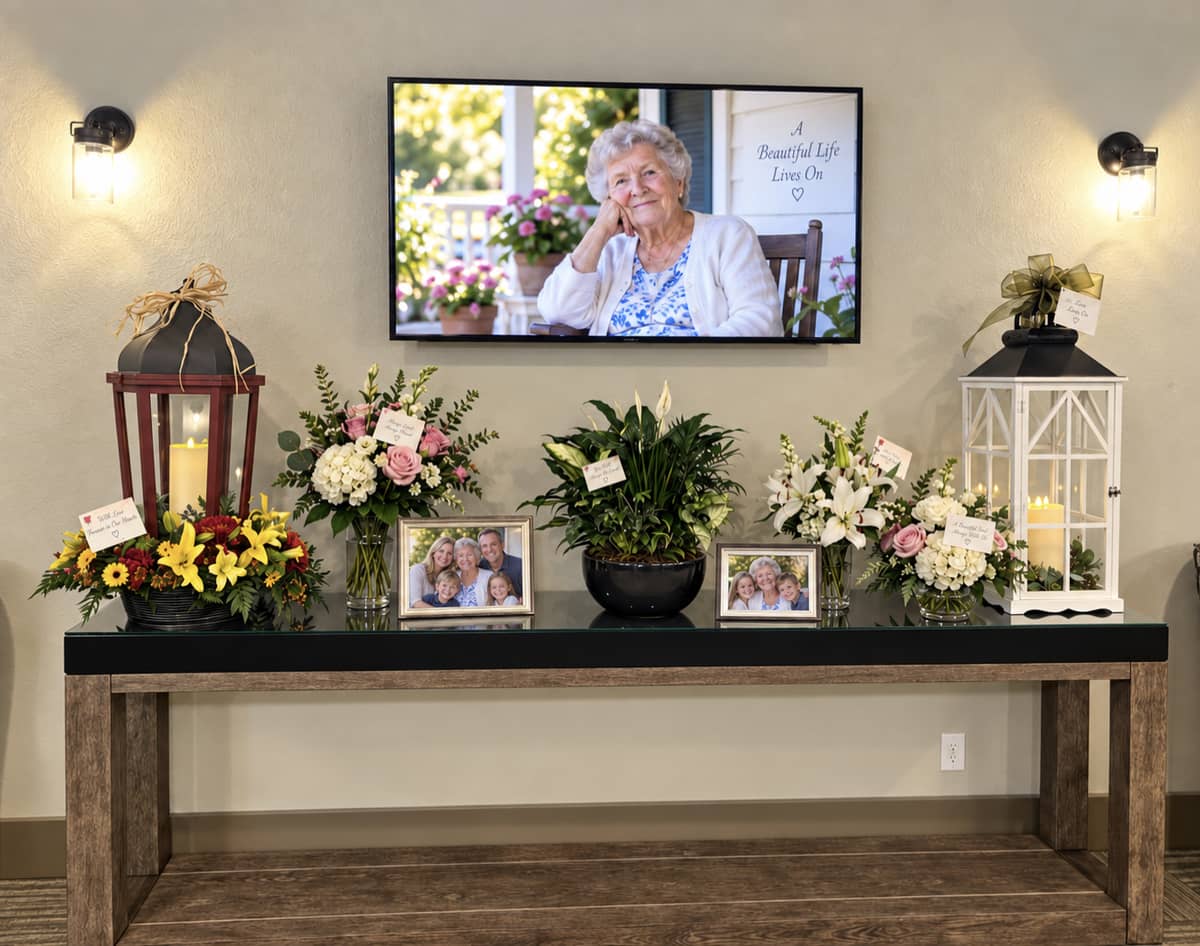
Truth: The decision to choose cremation does not determine how a life can be honored and remembered.
A funeral, memorial service, or informal gathering may still be planned to include the same elements and special touches that celebrate a loved one’s unique spirit and individuality.
Favorite music, readings, memorial videos, and speakers can all be part of the final send-off. Mementos, hobby items, and cherished photos can also help tell a loved one’s story to the fullest.
Myth 3: Pre-planning isn’t an option with cremation.
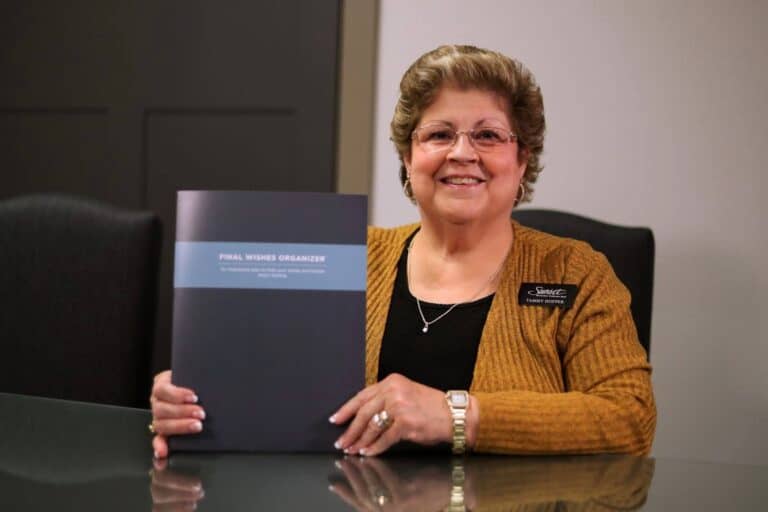
Truth: Cremation can be pre-planned just like a traditional burial or any other type of funeral arrangement.
This thoughtful decision ensures personal wishes are clearly outlined in advance while sparing surviving family members from wondering what their loved one would have wanted.
Pre-planning also allows for final expenses to be paid in advance, helping to alleviate the financial burden on those left behind.
Myth 4: Every funeral home follows the same cremation process.

Truth: The documentation, identification, and tracking procedures for a cremation often differ from one funeral home to another. These are all critical aspects that require close attention to detail and consistency at every stage.
Funeral homes like Sunset that have an on-site crematory rely on their own highly trained and experienced staff to oversee the entire process, ensuring responsible care from beginning to end.
Myth 5: Cremation is always the least expensive option.
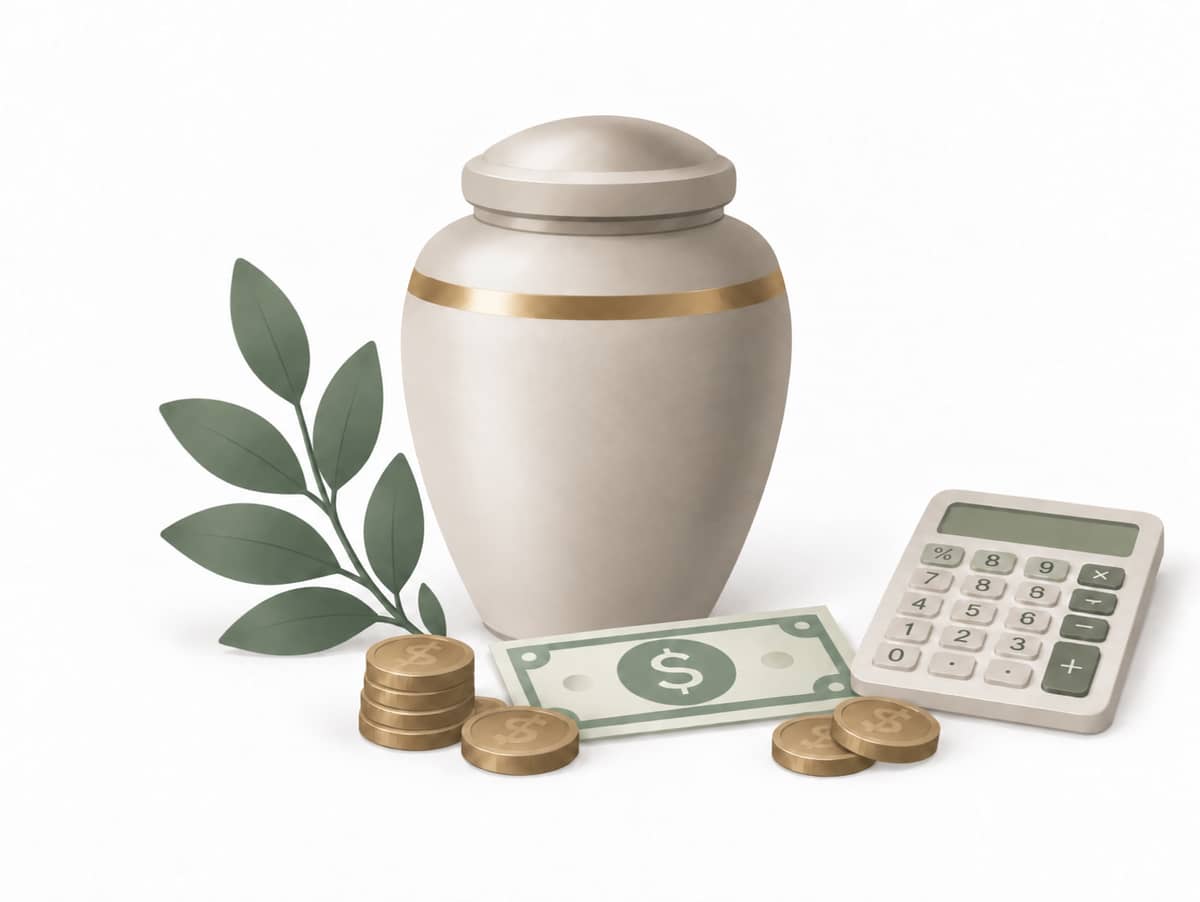
Truth: Cremation can be a more economical choice, but that is not automatically the case. The total cost depends on the selections made during pre-planning or in the arrangement conference.
A direct cremation without a ceremony is generally one of the least expensive options. When cremation is paired with remembrance services and additional options, including a cremation urn, keepsakes, and printed materials, costs will rise.
Myth 6: Cremation doesn’t allow for a permanent memorial.
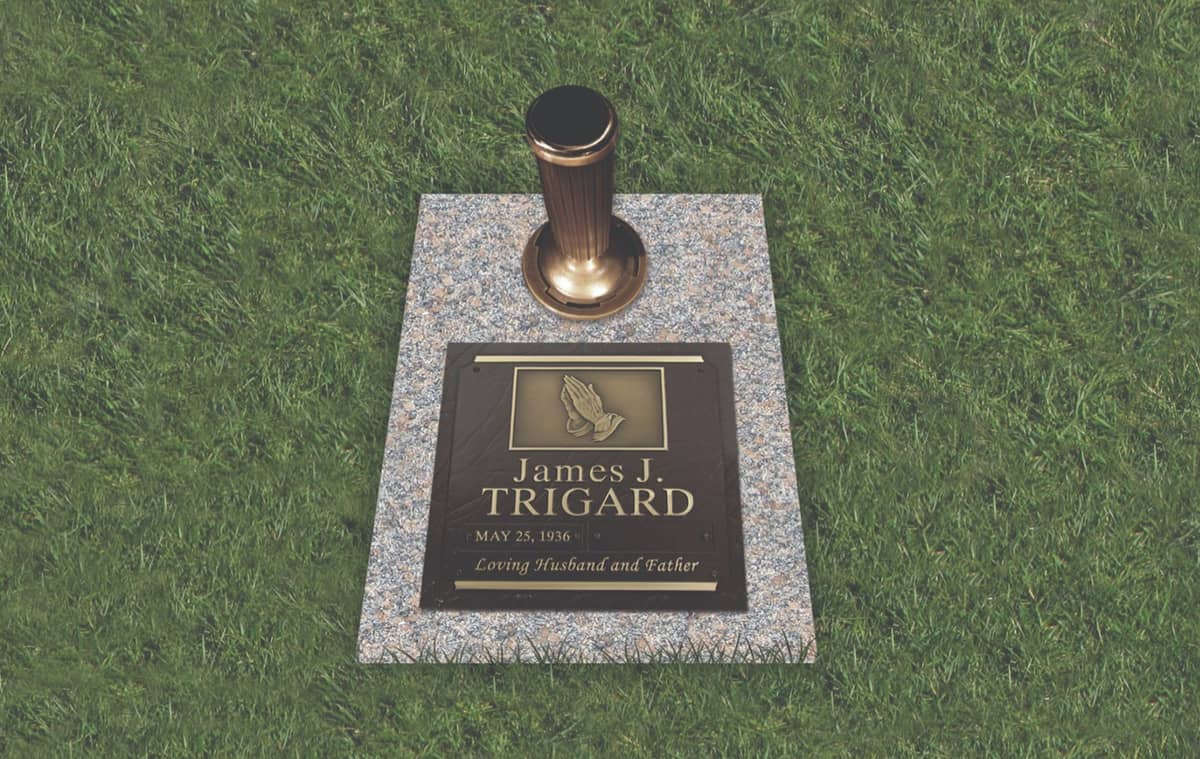
Truth: In reality, cremation offers a great deal of flexibility when it comes to memorializing a loved one in a cemetery.
Cremated remains may be buried, interred in a niche or columbarium, or placed in another designated area. These final resting places can be marked with a custom bronze grave memorial, upright monument, or engraved plaque, depending on a cemetery’s offerings.
While some families prefer to keep cremated remains at home or scatter them, many appreciate having a permanent place where family and friends can visit, leave flowers, and reflect—and where future generations can return and feel connected to their ancestors.
Myth 7: A public viewing isn’t possible with cremation.
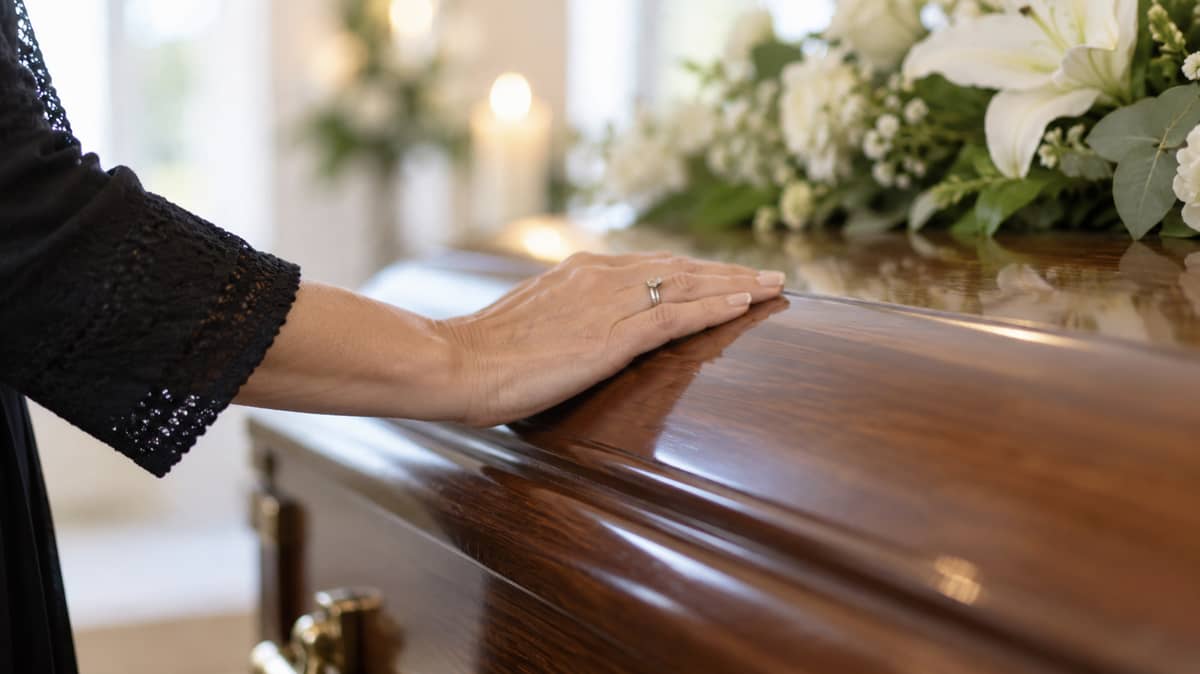
Truth: Cremation does not prevent a loved one’s body from being present for a public viewing. In fact, families may choose to plan a visitation before the cremation takes place, using either a cremation casket or a rental option provided by the funeral home.
This gives extended relatives, friends, and neighbors the chance to come together, say goodbye, and offer their condolences to the bereaved.
Myth 8: Choosing cremation means letting go of tradition.
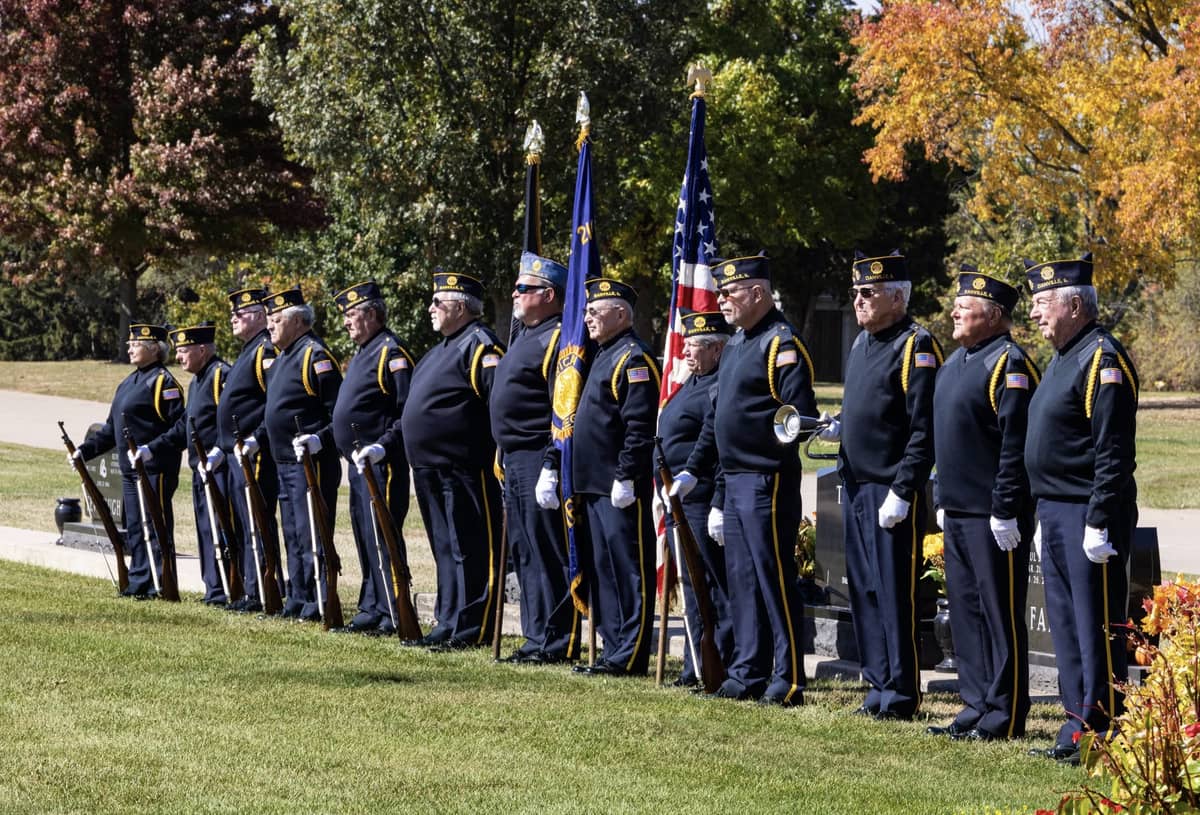
Truth: Religious ceremonies, military honors, spiritual practices, and family customs can all remain part of the farewell—even when cremation is chosen.
Funeral homes will work closely with families to accommodate their preferences, carefully tailoring each aspect to reflect their values and beliefs.
When needed, long-standing traditions can be slightly adapted to fit the family’s wishes without losing their meaning.
The Sunset Difference
Clearing away common myths is an important step when considering cremation.
Every family deserves honest answers, respectful guidance, and the freedom to shape a farewell that feels authentic and meaningful.
At Sunset, that is the standard we hold ourselves to—every conversation, every arrangement, every step of the way.
________________________________________________________________
Cremation Terms to Know
Understanding a few common terms can make conversations about cremation and memorialization feel more familiar:
- Crematory: The facility where cremations are performed.
- Cremation: The process of using intense heat to reduce a person’s body to bone fragments, which are then reduced into a finer consistency.
- Cremated remains: The material returned to the family following cremation, sometimes informally referred to as “ashes.”
- Cremation authorization: The legal document granting permission for the cremation to take place.
- Cremation permit: Official authorization from the appropriate local or state authority allowing the cremation to proceed.
- Cremation container: A rigid, combustible container used to hold the body during cremation.
- Urn: A container designed to hold cremated remains.
- Keepsake urn: A smaller urn that holds a portion of the cremated remains.
- Columbarium: A structure containing individual spaces called niches for the placement of urns.
- Niche: A designated space within a columbarium that holds one or more urns.
- Inurnment: The placement of cremated remains into an urn.
- Interment: The permanent placement of cremated remains in a cemetery grave or other designated location.
- Urn vault: A protective outer container that holds an urn when it is buried in a cemetery.
- Committal service: A brief ceremony held when cremated remains are placed in their final resting place.
- Scattering: The release of cremated remains in a permitted location chosen by the family.
- Memorial service: A ceremony held to remember and honor someone, typically without the person’s body present.
- Direct cremation: Cremation that takes place without a formal viewing or funeral service beforehand, although a memorial service may be held later.
