
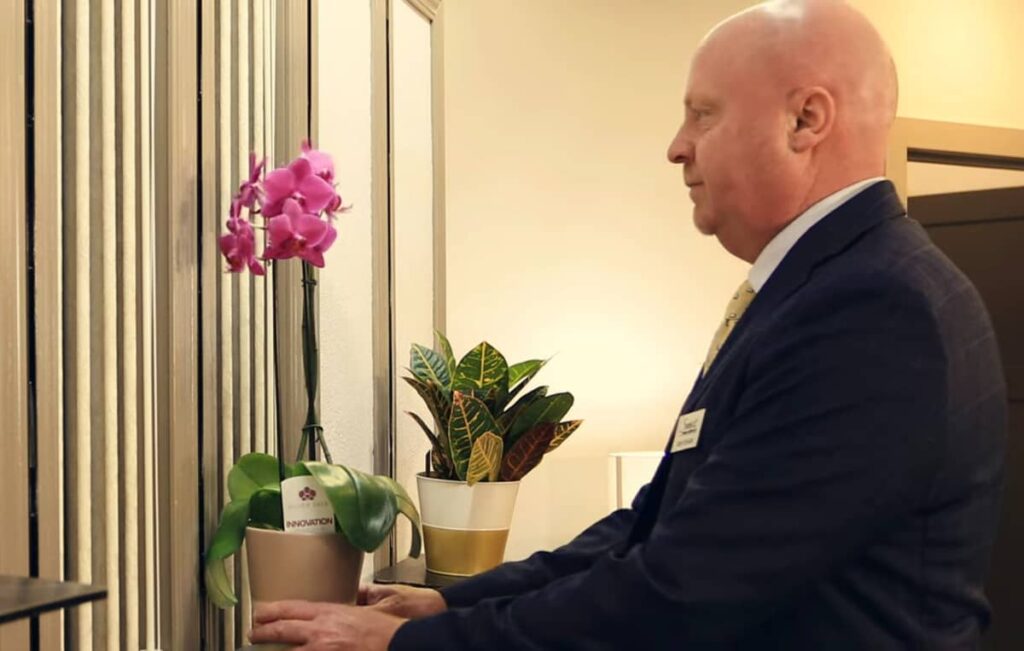
When you hear the word “funeral”, what images or thoughts arise? Perhaps it’s the memory of the last service you attended—the reverent atmosphere, the familiar faces of family and friends, or the finely crafted casket framed by an array of floral arrangements.
For me, the term ‘funeral’ immediately brings another word to mind: ‘director,’ as in funeral director. This connection stems from my insight that, without the capable hands of this highly trained professional, the many elements of planning and organizing a burial or cremation wouldn’t come together so seamlessly.
There’s also a deeply personal layer to this association, as my husband served as a funeral director for nearly 40 years and my late father also devoted much of his life to the same calling.
This lifelong closeness to the profession has deepened my admiration for those who choose this path. While I recognize that not everyone shares this perspective, I’d like to delve further into the question, “What is the Role of a Funeral Director?” to shed light on their invaluable work.
A Compassionate Family Counselor

In the fragile, often overwhelming time shortly after a loved one’s passing, families arrive at the funeral home to make arrangements. The funeral director leads this meeting, gathering essential details and opening discussions on various facets of funeral planning.
The conversation begins with key decisions, such as choosing between burial and cremation. This choice is usually shaped by personal beliefs, family traditions, religious practices, or cultural beliefs. From there, the director introduces the available service options, helping the family determine the format and tone of the gathering. Together, they also talk about possibilities for music, readings, and eulogies that reflect the deceased’s life and legacy.
Before drawing to a close, the director guides the bereaved in selecting a cremation urn, casket, or vault, carefully balancing visual preferences and protective qualities with budgetary considerations. In addition, they may suggest memorial items such as keepsakes, customized thank-you cards, and a register book to record the names of those who come to pay their respects.
An Event Planning Specialist

When a memorial service, traditional ceremony or casual remembrance gathering with live music and hors d’oeuvres is planned, the funeral director takes on the duties of an event planner.
Side by side with the family, they work to create a meaningful final send-off—one that not only honors the life that was lived but also provides solace to those left behind. This is a responsibility that calls for meticulous organization, an eye for detail, and a skill for managing multiple moving parts.
From picking the ideal date and time to coordinating with florists, officiants, musicians, and others involved, the funeral director’s behind-the-scenes efforts ensure that every part of the family’s vision comes together smoothly.
Administrative Expert

Funeral directors lift much of the administrative burden that accompanies loss, allowing families to focus on memorializing their loved ones rather than navigating complex paperwork and legalities.
Their responsibilities include managing critical documentation, such as filing death certificates, securing burial and cremation permits, and verifying that all procedures meet state and local regulations. They also take on the task of writing, reviewing, and publishing obituaries on the funeral home website and in newspapers.
Beyond these primary duties, funeral directors handle Social Security notifications, help families secure veterans’ benefits when applicable, and assist them with insurance claims. These processes often require setting aside time for communication and follow-up, whether through emails, phone calls, or liaising with government agencies.
A Licensed Caretaker
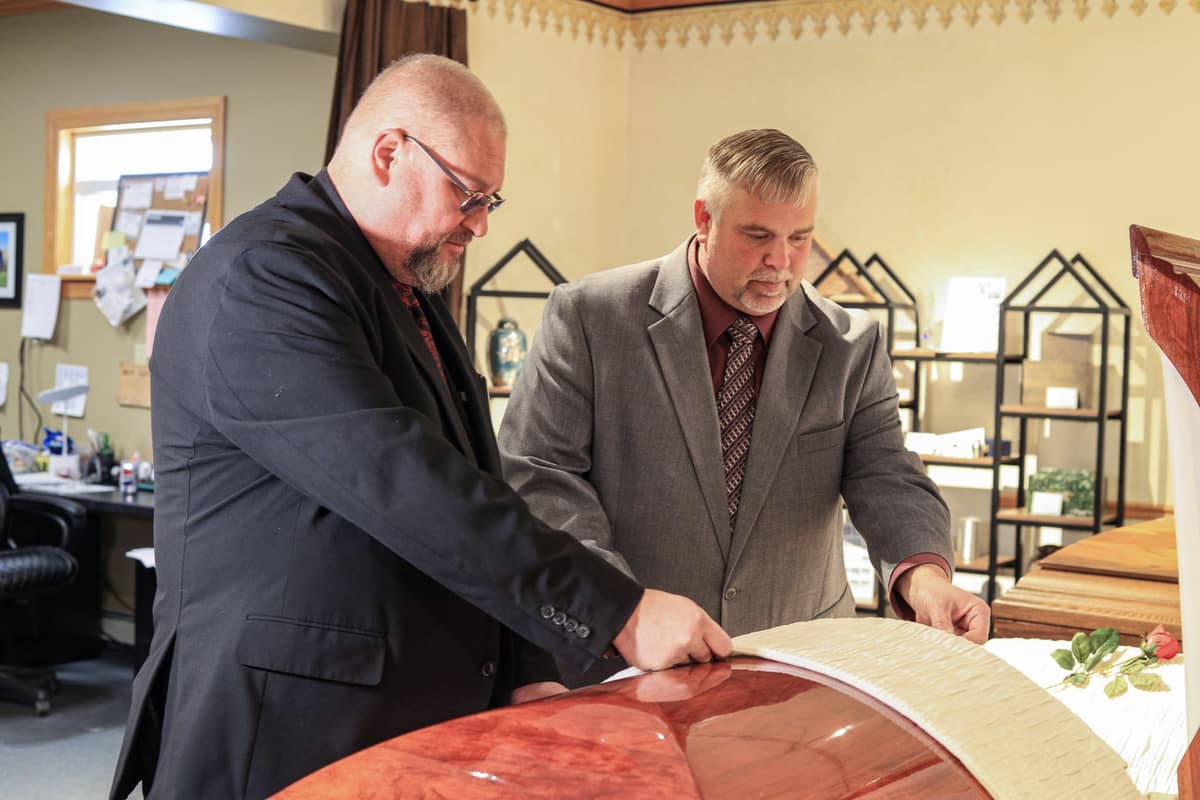
Among the most delicate aspects of a funeral director’s role is the care and preparation of the deceased’s remains with the utmost dignity and respect. Whether traditional burial or cremation is chosen, this ritual will typically include bathing, applying cosmetics, and dressing the loved one.
When a public viewing or formal ceremony is planned, most funeral homes recommend or require embalming to preserve the body temporarily and allow for a more natural appearance.
Because the loved one in the casket holds a central place during the service, funeral directors dedicate themselves to achieving a peaceful, lifelike presentation, offering families a comforting parting memory.
An Assuring Hand

Grief can be a whirlwind of emotions, a journey that shifts from immense sorrow to uncertainty, and even moments of frustration or anger. Funeral directors are prepared not just to facilitate logistics but to walk alongside the bereaved with patience and understanding.
Sometimes, their greatest act of support is simply being there—a calm presence, a steady hand, or empathetic listener. Other times, it is their willingness to recommend grief groups, counseling services, or books that provide solace and direction.
Parting Thoughts
Over the years, I’ve had the privilege of witnessing my father, my husband, and the compassionate funeral directors at Sunset Funeral Homes in their profession.
My admiration has only grown for their gift of creating a safe space where sadness can be expressed without fear or judgment, where cherished memories can be shared freely, and where the steps toward healing can begin.
I hope this blog has given you, too, a deeper appreciation of the vital role these professionals play in life’s concluding chapter.
The next time you attend a visitation or service, I encourage you to pause and consider the orchestrating efforts of the funeral director and how their work touches lives in ways that extend far beyond the service itself.

2 Responses
Thanks Jill! This was an enlightening explanation of funeral directors. I graduated with your mom and she is a wonderful friend.
Hi Mary Helen, Thank you so much for reading the blog! -Jill